Men’s reproductive health plays an important role in overall physical, emotional, and personal well-being. Andrology is a specialized branch of medicine that focuses on male reproductive health, fertility, hormonal conditions, and sexual health concerns. If you are searching for the Best Andrologist in Navi Mumbai, consulting a qualified specialist can help you understand your symptoms, identify underlying health conditions, and explore appropriate treatment options.
Andrology care covers a wide range of concerns, including male infertility, low sperm count, erectile dysfunction, premature ejaculation, hormonal imbalances, testicular disorders, and other male reproductive health conditions. With timely evaluation, accurate diagnosis, and an individualized treatment plan, many of these concerns can be effectively managed.
Andrology focuses on the health and functioning of the male reproductive system. An andrologist evaluates conditions that affect sperm production, reproductive hormones, sexual function, and male fertility.
Men may experience reproductive health concerns at different stages of life. Some conditions develop gradually, while others become noticeable when a couple experiences difficulty conceiving. Certain issues may also affect confidence, relationships, and quality of life.
An andrologist helps identify possible medical causes through a detailed medical history, physical examination when appropriate, laboratory investigations, and other diagnostic tests. Treatment depends on the individual's symptoms, medical history, fertility goals, and the underlying condition.
Choosing an experienced and qualified andrologist is an important step toward managing male reproductive health concerns. Patients in Navi Mumbai and nearby areas can seek specialist evaluation for fertility-related problems, sexual health conditions, and hormonal disorders.
A consultation may be helpful if you experience persistent difficulties with sexual function, have concerns about sperm quality, or have been trying to conceive without success.
A specialist can help with:
A good consultation should provide clear information about the suspected condition, available investigations, treatment alternatives, and realistic expectations.
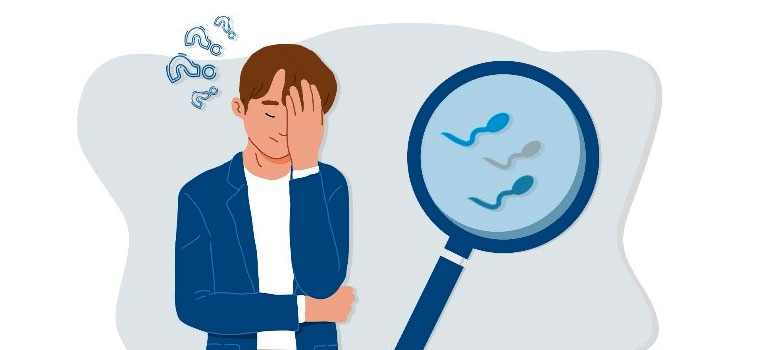
Male infertility is a common reproductive health concern that may contribute to difficulty conceiving. Fertility depends on several factors, including sperm production, sperm movement, sperm structure, hormone levels, and the ability of sperm to reach and fertilize an egg.
Male infertility can be associated with hormonal disorders, varicocele, infections, genetic conditions, previous surgeries, certain medications, lifestyle factors, or problems affecting the reproductive tract. In some cases, the cause may not be immediately apparent.
An andrologist may recommend a semen analysis as an initial investigation. Depending on the findings, further evaluation may include hormonal blood tests, a physical examination, genetic testing, or imaging.
Treatment depends on the underlying cause and may include lifestyle modifications, treatment of selected medical conditions, hormonal therapy for specific diagnosed deficiencies, or surgical intervention when indicated. Some couples may benefit from assisted reproductive techniques such as intrauterine insemination, in vitro fertilization, or intracytoplasmic sperm injection.
Early evaluation can help couples understand their options and make informed decisions about family planning.
Low sperm count, also known as oligozoospermia, refers to a lower-than-normal concentration of sperm in semen. Reduced sperm motility means that a smaller proportion of sperm move effectively. Both conditions can affect the chances of natural conception, although fertility cannot be determined by one semen parameter alone.
Possible causes include hormonal imbalances, varicocele, certain infections, exposure to excessive heat, smoking, alcohol use, some medications, and other medical conditions.
The first step is usually a semen analysis performed according to appropriate laboratory standards. Because semen parameters can vary, repeat testing may be recommended. Additional investigations are selected according to the results and clinical history.
Management may involve treating an identifiable cause, addressing lifestyle factors, or considering fertility treatment where appropriate. Hormonal medication is useful in selected conditions but should not be taken without medical evaluation.
Erectile dysfunction is the persistent difficulty in achieving or maintaining an erection sufficient for satisfactory sexual activity. It may occur occasionally, but recurrent symptoms deserve medical assessment.
Erectile dysfunction can be associated with diabetes, high blood pressure, cardiovascular disease, hormonal problems, certain medications, smoking, stress, anxiety, or other health conditions.
An andrologist evaluates the patient's symptoms, medical history, medications, and relevant lifestyle factors. Depending on the situation, investigations may include blood glucose testing, lipid testing, testosterone assessment, or other targeted examinations.
Treatment options may include lifestyle modifications, management of underlying health conditions, counselling when psychological factors contribute, and prescribed medication. Other therapies may be considered for selected patients who do not respond to initial treatment.
Men should avoid unverified supplements and medicines purchased without a prescription. Erectile dysfunction can sometimes be an early sign of an underlying cardiovascular or metabolic condition, making proper evaluation particularly important.
Premature ejaculation is a sexual health concern in which ejaculation occurs earlier than desired and causes distress or difficulty during sexual activity. It can be influenced by psychological, biological, relationship, and medical factors.
An andrologist assesses the pattern and duration of symptoms, associated health concerns, and the impact on the individual's well-being. Treatment may include education, behavioural approaches, counselling, and prescribed medication when appropriate.
Other ejaculation disorders, including delayed ejaculation and painful ejaculation, may also require specialist assessment. The recommended approach depends on the specific symptoms and any contributing medical conditions.
Seeking professional guidance can help patients understand their condition and discuss treatment options in a confidential clinical setting.
Testosterone is an important hormone involved in male sexual development, libido, muscle and bone health, and sperm production. Low testosterone may be associated with reduced sexual desire, fatigue, changes in body composition, or other symptoms.
However, these symptoms can have many possible causes and do not automatically indicate testosterone deficiency.
Diagnosis generally requires an appropriate clinical assessment and properly timed blood tests, often with repeat testing when indicated. Further hormone investigations may be required to determine the cause.
Treatment depends on the diagnosis, symptoms, and reproductive goals. Testosterone replacement therapy may suppress sperm production and can significantly affect fertility. Therefore, men who are planning to have children should discuss fertility-preserving options with a qualified specialist before starting hormone treatment.
Self-medication with testosterone injections, gels, or bodybuilding hormones can create additional health risks and should be avoided.
A varicocele is an enlargement of veins within the scrotum. It may be associated with discomfort, testicular changes, or impaired sperm parameters, although many varicoceles do not cause symptoms or fertility problems.
An andrologist may assess the condition through a physical examination and recommend a scrotal ultrasound when clinically indicated.
Treatment is not necessary for every patient. Depending on symptoms, fertility concerns, examination findings, and other clinical factors, monitoring, supportive measures, or a procedure to correct the varicocele may be considered.
For men experiencing infertility, the potential benefits of treatment should be discussed in the context of the couple's overall fertility assessment.
Azoospermia is a condition in which sperm are not detected in the ejaculate after appropriate laboratory assessment. It can result from an obstruction in the reproductive tract or from impaired sperm production.
Diagnosis may involve repeat semen testing, hormone analysis, physical examination, genetic investigations, and imaging in selected cases.
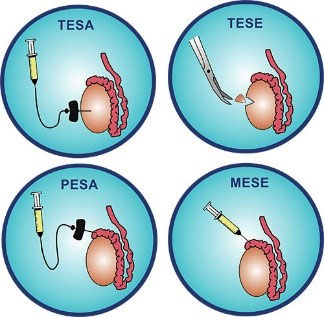
Treatment depends on the underlying cause. Some patients may be candidates for surgical correction of an obstruction or sperm retrieval procedures. In other cases, fertility specialists may discuss assisted reproductive techniques and alternative family-building options.
Azoospermia does not always mean that biological fatherhood is impossible. However, the available options vary considerably, and a detailed specialist evaluation is essential before drawing conclusions.
Healthy lifestyle habits can support general health and may improve certain factors associated with male fertility. They cannot guarantee conception, but they are a valuable part of comprehensive care.
Consider the following recommendations:
Sperm development takes approximately three months, so changes in lifestyle or treatment may take time to influence semen parameters.
A consultation with an andrologist usually begins with a discussion of symptoms, medical history, previous investigations, medications, and fertility goals. The doctor may ask about the duration of symptoms, previous illnesses, surgeries, lifestyle factors, and relevant reproductive history.
A physical examination or laboratory tests may be recommended depending on the presenting concern. Not every patient requires every investigation.
Patients can prepare by bringing previous semen analysis reports, hormone test results, prescriptions, and relevant medical records. Couples experiencing infertility may benefit from evaluation of both partners because fertility is a shared medical concern.
The doctor should explain the findings, discuss suitable treatment options, and recommend follow-up where necessary. Confidentiality, clear communication, and individualized care are important parts of the consultation.
Consider seeking specialist advice if:
Sudden severe testicular pain requires urgent medical evaluation. A new testicular lump should also be assessed promptly.
When searching for the best andrologist in Navi Mumbai, consider the doctor's qualifications, relevant clinical experience, approach to diagnosis, and expertise in the condition you need help with.
It is useful to choose a specialist who explains investigations and treatment options clearly, discusses benefits and risks, and avoids promising guaranteed fertility or sexual health outcomes.
Depending on your needs, you may also require coordinated care involving a urologist, endocrinologist, fertility specialist, or reproductive medicine team.
Patients from Vashi, Nerul, Seawoods, Belapur, Kharghar, Airoli, Ghansoli, and nearby areas can look for an appropriately qualified specialist based on their location and consultation requirements.
Finding the Best Andrologist in Navi Mumbai can be an important step toward understanding and managing male fertility, sexual health, and reproductive concerns. From low sperm count and male infertility to erectile dysfunction, hormonal disorders, varicocele, and azoospermia, appropriate medical assessment helps identify possible causes and guide treatment decisions.
Men should feel comfortable discussing reproductive health concerns without embarrassment. Timely consultation, accurate diagnosis, evidence-based treatment, and appropriate follow-up can help patients make informed choices about their health and family-planning goals.
If you are experiencing persistent symptoms or difficulty conceiving, consider consulting a qualified andrologist in Navi Mumbai for an individualized evaluation and guidance tailored to your needs.